Lawn Mowing in Limehouse

Lawn mowing in Limehouse is a straightforward way to keep domestic gardens, courtyards and shared green spaces tidy, level and easier to manage through the growing season. Our service focuses on the practical work that keeps grass under control: regular cuts, clean edges and sensible attention to the finish so the lawn looks cared for rather than simply shortened.
We also support related garden work where it sits naturally alongside mowing, including garden maintenance and other routine upkeep tasks that help a plot stay orderly between visits. If you are comparing options, think about the size of the lawn, how quickly it grows, whether access is simple and whether you want one-off attention or a repeat schedule. A clear pricing and quotes page can help you prepare for a quotation request.
For broader work beyond the grass itself, our service range includes hedge trimming, garden clearance and other outdoor tasks that can be planned around mowing so the whole space feels balanced. Tell us what you need, what type of lawn you have and how often it tends to need attention, and we can discuss the most suitable approach. If you are ready to move forward, make an enquiry and request a quotation.
Regular lawn care and neat finishes
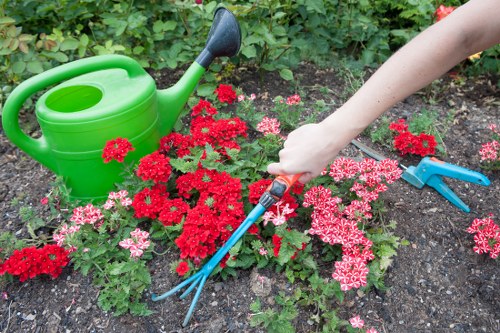
Good mowing is not only about cutting grass short. It is about maintaining a level, even finish, managing the height sensibly and leaving the lawn looking neat at the edges. In a built-up area, many gardens have narrow runs, awkward corners or limited access, so a careful approach matters. We work with the shape of the space in mind and aim for a result that suits the garden rather than forcing every lawn into the same pattern.
Regular mowing can help maintain a consistent appearance through the growing months, while less frequent attention may suit lawns that grow slowly or are used less often. Some customers prefer a simple tidy cut; others want a more considered finish with strimmer work around paths, beds and boundaries. Where appropriate, we can also discuss how mowing fits with wider upkeep such as services overview planning or pairing with garden maintenance so the work remains coherent rather than piecemeal.
If your lawn includes mixed patches, thicker growth or small uneven areas, the aim is still to produce a clean finish without overcomplicating the job. A practical mowing service should leave the grass easier to manage, not create extra mess for you to deal with afterwards. Consistency is often the best outcome: cut at a sensible height, finish the borders properly and keep the space usable. If that is what you want, it is worth asking for a quotation.
What can be included with mowing

Some gardens need more than a simple pass over the grass. When mowing is combined with related tidying, the lawn generally looks more finished and the whole garden becomes easier to maintain. Depending on the space and the condition of the grass, that may include edging, light strimming, removal of clippings or careful attention around objects such as planters, steps and fixed fittings. We keep the work practical and focused on the visible result.
Lawn mowing can be planned alongside complementary outdoor services such as landscape gardening or decking services where a garden has both planted and hard-landscaped areas. This helps when one part of the space needs routine cutting while another needs a more structural improvement or tidier boundary. The point is to keep the lawn work clear, while recognising that some gardens function better when several outdoor tasks are coordinated sensibly.
Where a lawn is bordered by shrubs, raised beds or narrow access strips, the detail work often matters as much as the main cut. Edges that are left rough can make the whole garden feel unfinished even when the grass itself has been cut. A considered service should address those small visual points, because they shape the overall impression. If you would like that level of care, you can ask for a quotation when you are ready.
Choosing the right mowing schedule
The right schedule depends on the garden, the season and how you use the space. A frequently used lawn may benefit from more regular visits so it stays tidy and manageable, while a quieter area may only need occasional attention. Grass type, shade, dampness and uneven ground can all affect how the lawn responds to cutting, so a sensible schedule is usually more useful than an arbitrary promise of routine. The aim is to match the work to the garden’s actual condition.
Before work begins, it helps to share a little practical detail: the approximate size of the lawn, whether access is straightforward, and whether there are any tight corners, slopes or features that need care. One good photograph can be useful, but a simple written description is often enough to start the conversation. If you are arranging several outdoor tasks together, it also helps to say whether mowing sits alongside hedge trimming, tree lopping and removal or another task. That keeps the quotation focused on the real work.
Many people are unsure whether they need a one-off tidy or a repeated service. The answer usually comes down to how quickly the grass grows and how polished you want the final look to be. A more regular arrangement can suit busy households, while occasional mowing may be enough for smaller or less used gardens. If you would like to compare those options, ask for a quotation and explain what outcome you want.
Grass cutting for different garden layouts
Not every lawn is a simple rectangle. Some gardens have narrow side runs, divided sections, raised borders or awkward access through side gates and shared paths. Those layouts need a mower that can work cleanly within the available space and a careful eye for the places where a larger cut could leave uneven patches. We approach each lawn as it is, with the goal of achieving a neat, controlled finish that suits the layout rather than fighting it.
For gardens that combine soft landscaping with harder surfaces, mowing can be one part of a wider outdoor plan. The same property may also need landscaping work or longer-term garden shaping, especially where beds, borders and lawn areas need to sit together cleanly. In those cases, mowing is often most effective when it is planned as part of the garden’s overall arrangement rather than treated as an isolated task. That keeps the result coherent and easier to look after.
Useful details to include when requesting a quotation can make the process smoother and help match the service to the garden:
- the approximate size and shape of the lawn
- whether access is via a side return, shared path or rear entrance
- any slopes, tight corners or difficult edges
- whether you want grass cuttings removed or left in place
- if any other garden work needs to be grouped with mowing
Combining mowing with wider garden upkeep

Many lawns look best when mowing is paired with other upkeep tasks that keep the surrounding garden under control. Trimmed hedges, clear borders and reduced clutter can all change the impression of a lawn even when the grass itself is well maintained. We offer mowing as part of a practical outdoor service that can sit alongside garden clearance or regular tidy-ups where the whole plot needs attention. This can be especially useful when the garden has grown unevenly over time.
It is sensible to think about what the lawn needs now and what the rest of the garden needs over the coming weeks. A grass cut may be enough for a simple tidy, but some spaces need a more joined-up approach because overgrowth around the edges can quickly spoil the finish. In those cases, mowing and selective clearance can be planned together so the space feels more orderly without unnecessary work. If you are weighing up options, our about us page and services overview can help you understand the broader range of work available.
When a garden has been neglected for a while, the first visit may naturally take more effort than a routine follow-up. That does not mean the process has to be complicated; it simply means the work should be described clearly and priced accordingly. A careful quotation should reflect the condition of the lawn, the surrounding growth and the amount of time needed to bring the space back to a manageable state. If that sounds relevant, make a quotation request when convenient.
Preparing for a quotation
Good quotations are usually built on clear information rather than guesswork. If you are asking about mowing, it helps to say whether the lawn is small, medium or large, whether it has recently been cut and whether there are any obstacles such as planters, bins, toys or stored materials. You do not need to write a long explanation; a concise message with enough detail to show the condition of the space is often enough to start a sensible conversation.
Where relevant, mention if the job is part of broader exterior work, such as garden maintenance, landscape gardening or another service that changes how the lawn area is used. That helps avoid confusion and allows the quotation to reflect the full scope. If you have a preferred timing pattern, such as occasional or repeat visits, include that as well. It is usually better to describe the outcome you want than to focus on technical details that do not affect the work.
Once the basic information is clear, the rest is simply about deciding whether the proposal suits your garden. A practical quotation should make it easier to compare options, plan the work and agree the next step. Request a quotation when you are ready, and keep it straightforward: what needs mowing, how often, and whether anything else should be included.
About Limehouse
Limehouse is an east London district in the borough of Tower Hamlets, long associated with the Thames, docks and riverside trade. The name has strong historical links to maritime activity, and the area’s development has been shaped by its position close to the river and to the former docklands that once dominated this part of London. Over time, the character of Limehouse has shifted from working waterfront to a mixed urban neighbourhood with housing, traffic routes, waterside spaces and a noticeable blend of old and new building forms. The district still carries traces of its layered past in street patterns, canalside edges and the surviving fragments of industrial and domestic architecture. Regent’s Canal passes through the area, adding a calmer linear waterway to the urban landscape, while the Limehouse Basin connects canal and river and remains one of the most recognisable local features. This waterside setting is a major part of the district’s identity, linking bridges, boats and walking routes with the surrounding streets. There are also cultural associations with writers and seafaring history, and the place has appeared in London’s wider storytelling for generations. St Anne’s Limehouse, designed by Nicholas Hawksmoor and completed in the early 18th century, is one of the area’s best-known landmarks, while nearby streets and waterside paths reflect the continuing mix of residential life and historic infrastructure. Today Limehouse sits within a busy part of inner east London, close to neighbouring areas such as Wapping, Whitechapel and Canary Wharf, yet it retains its own name and a distinctive sense of place shaped by river geography, layered history and ongoing change.
Keeping the lawn manageable through the year

A lawn can change quickly through the warmer months, then slow down and become more predictable in cooler weather. That means a sensible mowing plan should allow for seasonal variation rather than treating every visit as identical. Grass cut too hard can look stressed, while grass left too long can appear untidy and become more difficult to bring back into shape. We aim for a balanced cut that keeps the lawn looking healthy and manageable without making unnecessary assumptions about the condition of the grass.
On properties with mixed outdoor spaces, the lawn is often only one part of a larger maintenance picture. If there are overgrown shrubs, loose debris, or a boundary line that needs sharpening, it can make sense to deal with those alongside the grass rather than leaving them for later. Services such as recycling and sustainability and health and safety policy may also be useful to read if you want to understand how materials and working practices are handled. They sit alongside the practical work without changing the basic aim: a clean, orderly outdoor space.
Whether you need a one-off tidy or an arrangement that supports the garden over time, the main point is to keep the service clear and the request simple. Tell us about the lawn, the access, and any linked garden tasks, and we can respond with a quotation that reflects the work properly. If you are ready to take the next step, contact us to request a quotation.


